Student Zone



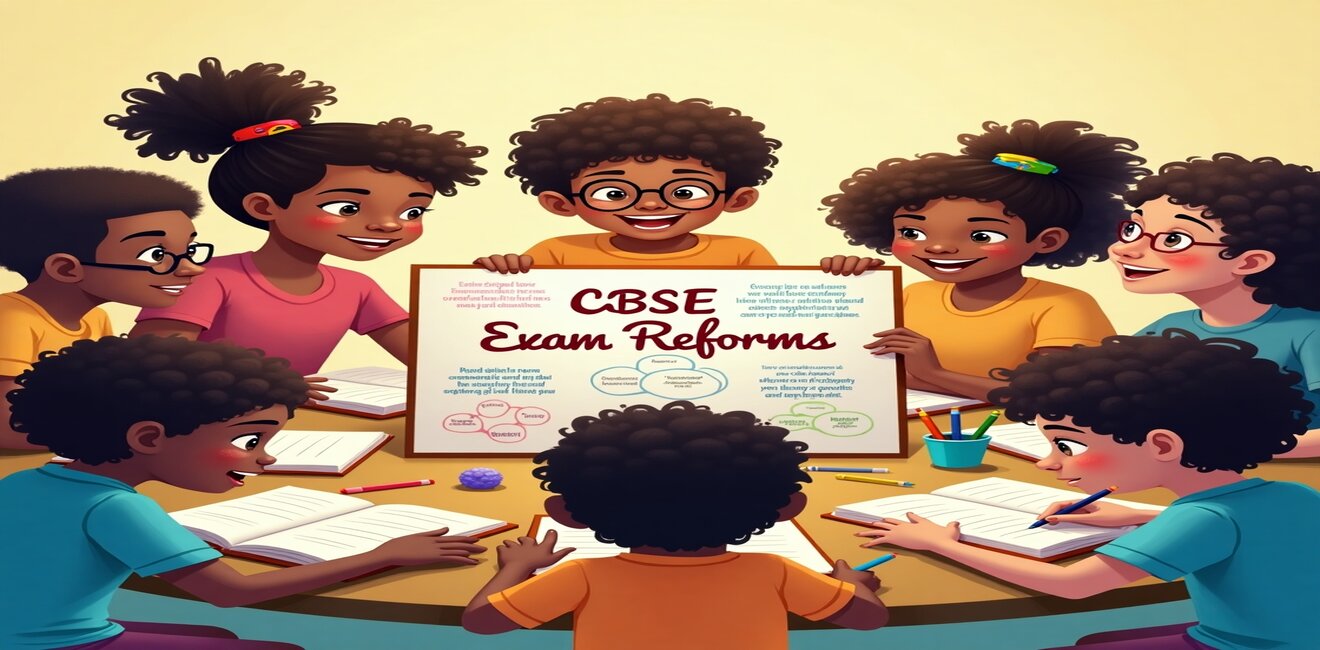
Proposed Exam Reforms by CBSE: A Step Towards Reducing Academic Stress and Improving Learning Outcomes
The Central Board of Secondary Education (CBSE) has always been at the forefront of educational reforms, striving to make the learning experience more holistic and student-friendly. In recent years, there has been a growing recognition that the traditional board exam system, which largely emphasizes rote memorization and high-stakes testing, may not adequately prepare students for real-world challenges. With this in mind, CBSE is considering a significant overhaul of its exam structure, focusing on competency-based assessments, reducing academic stress, and providing students with more opportunities for growth.
Key Features of the Proposed Reforms
The purpose of this policy is to present Edprowise Tech Pvt Ltd (herein referred to as the Company) commitment to the privacy of user information and sensitive commercial/financial data.
- Introduction of Twice-Yearly Board Exams:
- Competency-Based Assessments:
- Continuous and Comprehensive Evaluation (CCE):
- Focus on Reducing Academic Stress:
- Implementation Timeline and Stakeholder Involvement:
One of the most significant changes under consideration is the introduction of twice-yearly board exams starting from the academic year 2026. Currently, students appear for the CBSE board exams only once, typically in February or March, depending on the class. However, with the proposed reforms, students will have the opportunity to take the exams at two different times during the year, thus spreading out the pressure and reducing the anxiety associated with a single examination period.
The rationale behind this proposal is clear: by providing students with a second chance to appear for exams in a different session, the pressure to perform well in a single high-stakes exam will be alleviated. Students will have the flexibility to reattempt subjects in which they may have struggled, offering a more forgiving and student-centered approach to assessment.
In line with the National Education Policy (NEP) 2020, which emphasizes the development of critical thinking, problem-solving, and creativity, the proposed reforms aim to shift away from rote learning. Instead of merely testing students’ memorization skills, the new exam format will focus on competency-based assessments. These assessments will evaluate a student’s understanding of the subject matter, their ability to apply knowledge in practical scenarios, and their critical thinking skills.
Competency-based assessments are designed to measure how well students can apply their learning to real-world situations. For example, rather than asking students to recall facts or definitions, the exams will present them with case studies, simulations, and problem-solving scenarios. This will not only reduce the pressure of memorization but will also encourage a deeper understanding of the content.
experimenting with continuous and comprehensive evaluation (CCE) in recent years, and the proposed reforms aim to expand and formalize this system. CCE focuses on the overall development of a student, taking into account not only academic performance but also extracurricular activities, social skills, and emotional intelligence.
Under the proposed reforms, CCE will be integrated more closely with board exams, with a greater emphasis on regular assessments, project work, and practical applications. This holistic approach ensures that students are assessed on a wider range of skills and competencies, rather than just their ability to perform in traditional written exams.
One of the most critical objectives of the proposed exam reforms is to reduce academic stress among students. The intense pressure associated with board exams, particularly in high-stakes subjects like mathematics, science, and languages, has been a source of concern for educators, parents, and students alike.
The introduction of twice-yearly exams and the shift towards competency-based assessments will help alleviate this stress. Students will have more opportunities to prepare and perform without the constant fear of a single "final" exam determining their future. The changes will also help balance the emphasis on academic performance with emotional well-being, fostering a healthier, more supportive environment for students.
The proposed changes are expected to be phased in starting from the 2026 academic year, with CBSE planning to pilot the new system in select schools beforehand. A key aspect of the implementation process will be extensive consultations with educators, students, parents, and other stakeholders to ensure that the reforms are effective and address the needs of all parties involved.
Educational experts and school leaders have welcomed the move toward more holistic assessments, but some have raised concerns about the logistics and potential challenges of implementing these changes across India’s vast and diverse educational landscape. Proper training for teachers, the development of new examination materials, and the integration of technology will be essential components of a successful transition.
The Path Forward:
The proposed CBSE exam reforms represent a significant shift in the way education is approached in India. By focusing on competency rather than rote memorization, providing students with more opportunities to succeed, and addressing the issue of academic stress, CBSE is making a bold step towards aligning its assessment practices with the needs of a modern, globalized world.
In the long run, these reforms could pave the way for a more equitable and student-centered education system, one that prepares learners for lifelong learning and success. While the road to full implementation may be challenging, the potential benefits both for students and for the broader educational ecosystem are immense.
The proposed changes, therefore, mark a much-needed evolution in India’s education system, one that aligns with contemporary educational philosophies and seeks to develop well-rounded, critical thinkers ready to thrive in an ever-changing world.
